Copyright © 2025 Premier Waste Pty Ltd. All rights reserved.





Recycled waste includes materials generated by businesses that can be collected, sorted and processed for recovery rather than being disposed of as general waste. Common recyclable materials include paper, cardboard, plastics, metals, glass and other approved materials, depending on the recycling stream.
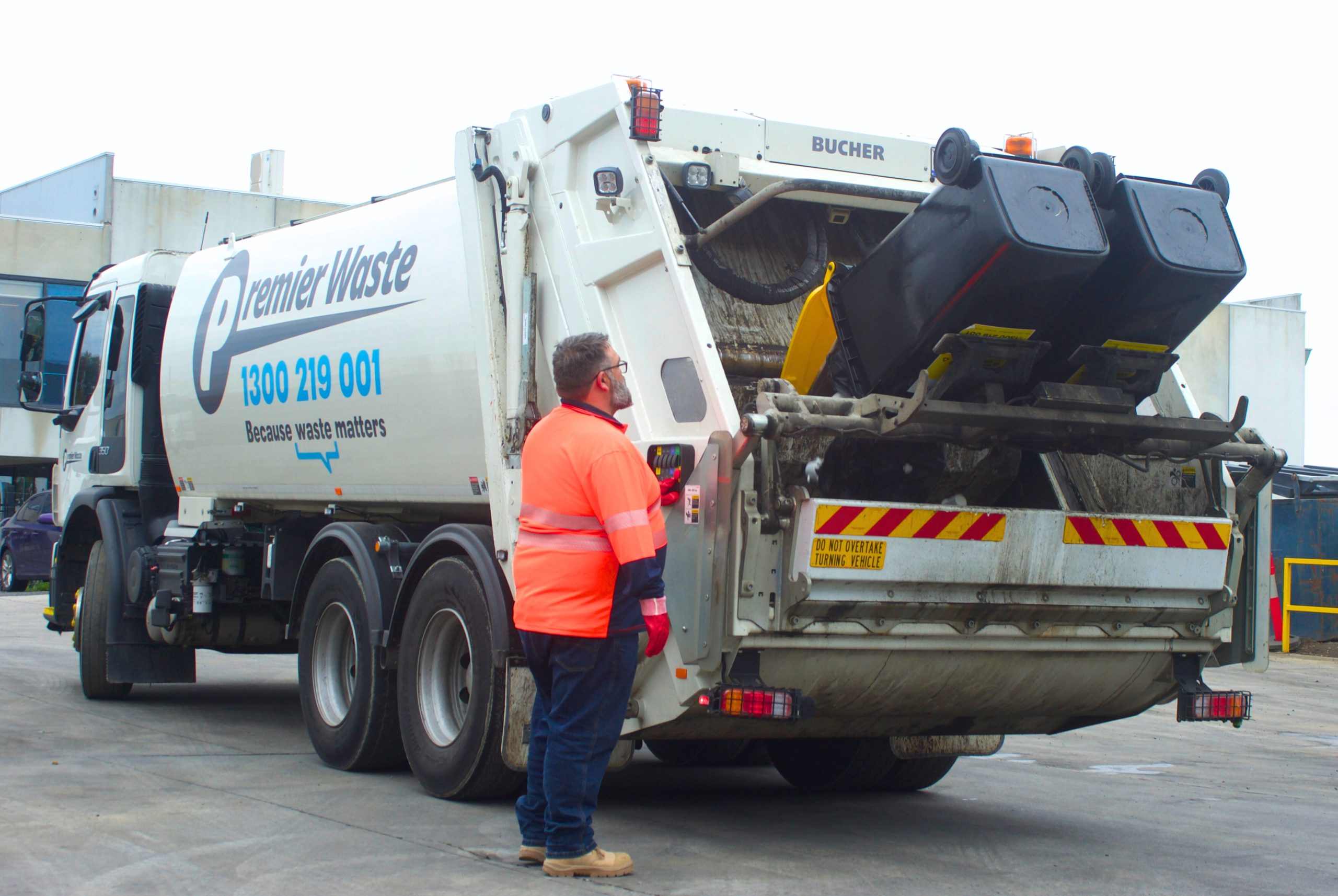
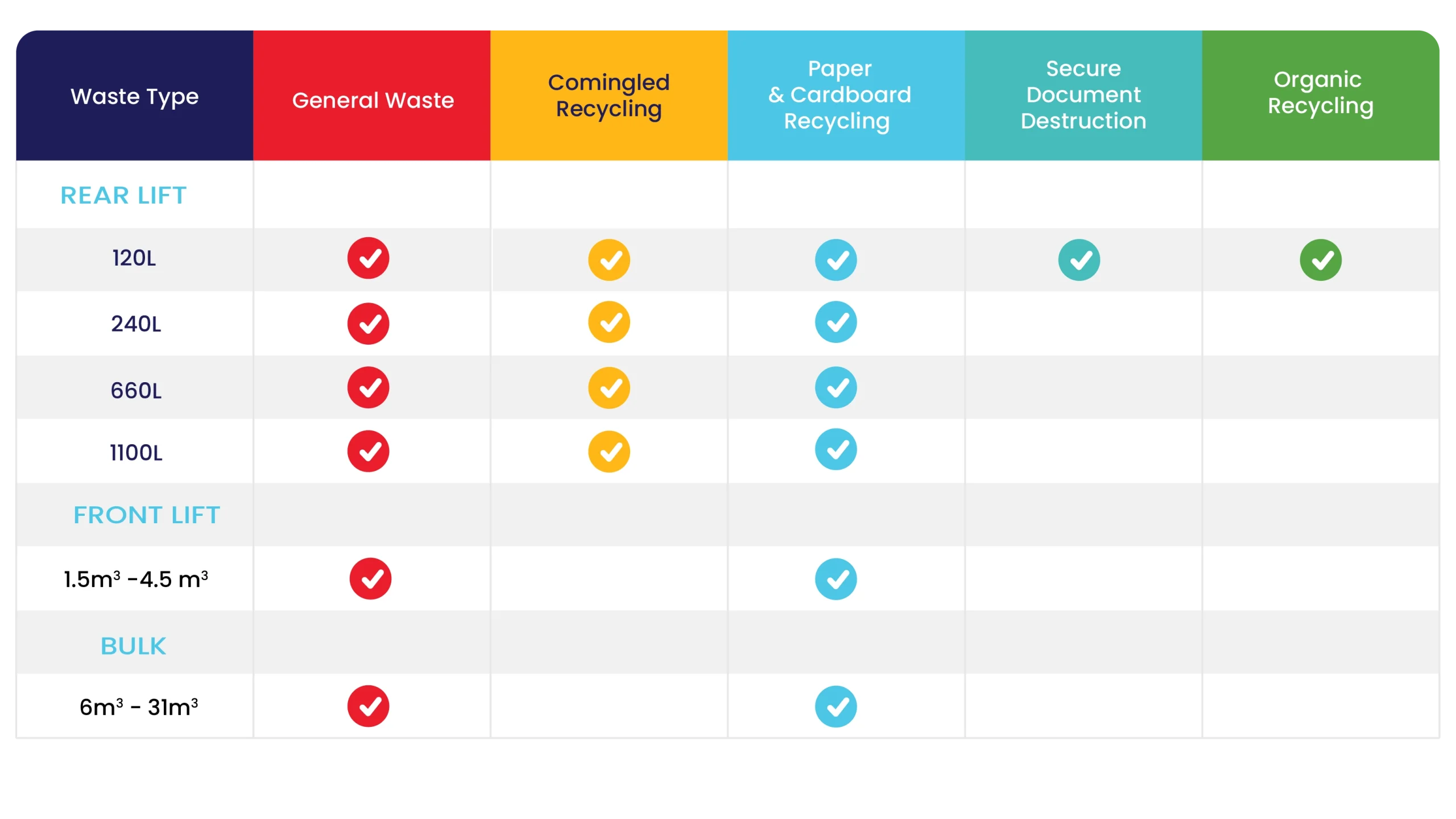
Premier Waste provides commercial recycling solutions for different recyclable waste streams, including paper and cardboard recycling, commingled recycling and e-waste recycling. The appropriate recycling setup depends on the materials generated, waste volumes and operational requirements of each business.
General waste typically contains non-recyclable materials that are not being recovered through an available recycling stream. Recycled waste consists of materials that can be separated, collected and processed for reuse. Correct separation helps businesses reduce unnecessary landfill disposal and improve resource recovery.
Businesses can improve recycling performance by identifying recyclable materials within their existing waste stream, providing appropriate bins, positioning bins where waste is generated and using clear signage to support correct separation. Monitoring contamination, waste volumes and collection requirements can also identify opportunities to recover more material. Premier Waste can help businesses review their waste setup and identify opportunities to improve recycling and resource recovery.
Recycling contamination occurs when incorrect materials, food, liquids or other unsuitable waste are placed into a recycling stream. Contamination can reduce material quality and the amount of waste successfully recovered. Depending on the type and severity of contamination, affected material may require additional sorting, reclassification or disposal through another waste stream.
The right recycling service depends on the types and volumes of recyclable materials your business generates, available space, collection requirements and current waste setup. Premier Waste can assess these factors and recommend an appropriate combination of recycling streams, bins and collection frequencies.
Yes. Collection frequencies can be adjusted to account for peak trading periods, seasonal demand and operational changes. The recycling setup can also be tailored around the site's waste volumes, bin requirements and collection needs.
Yes. Businesses operating across multiple sites can consolidate their recycled waste services under one coordinated program. This can help improve consistency across locations and simplify service management and reporting.
Collected recyclable material is taken to licensed material recovery facilities, where it is sorted and processed for further recycling and recovery. Reducing contamination helps protect material quality and supports more effective recycling and resource recovery.
Yes. Recycling data can help businesses understand waste volumes, recycling performance and diversion outcomes over time. Depending on the service arrangement, Premier Waste can provide reporting to support sustainability, ESG and internal environmental reporting, giving businesses greater visibility into their recycling performance.