
Commingled Recycling
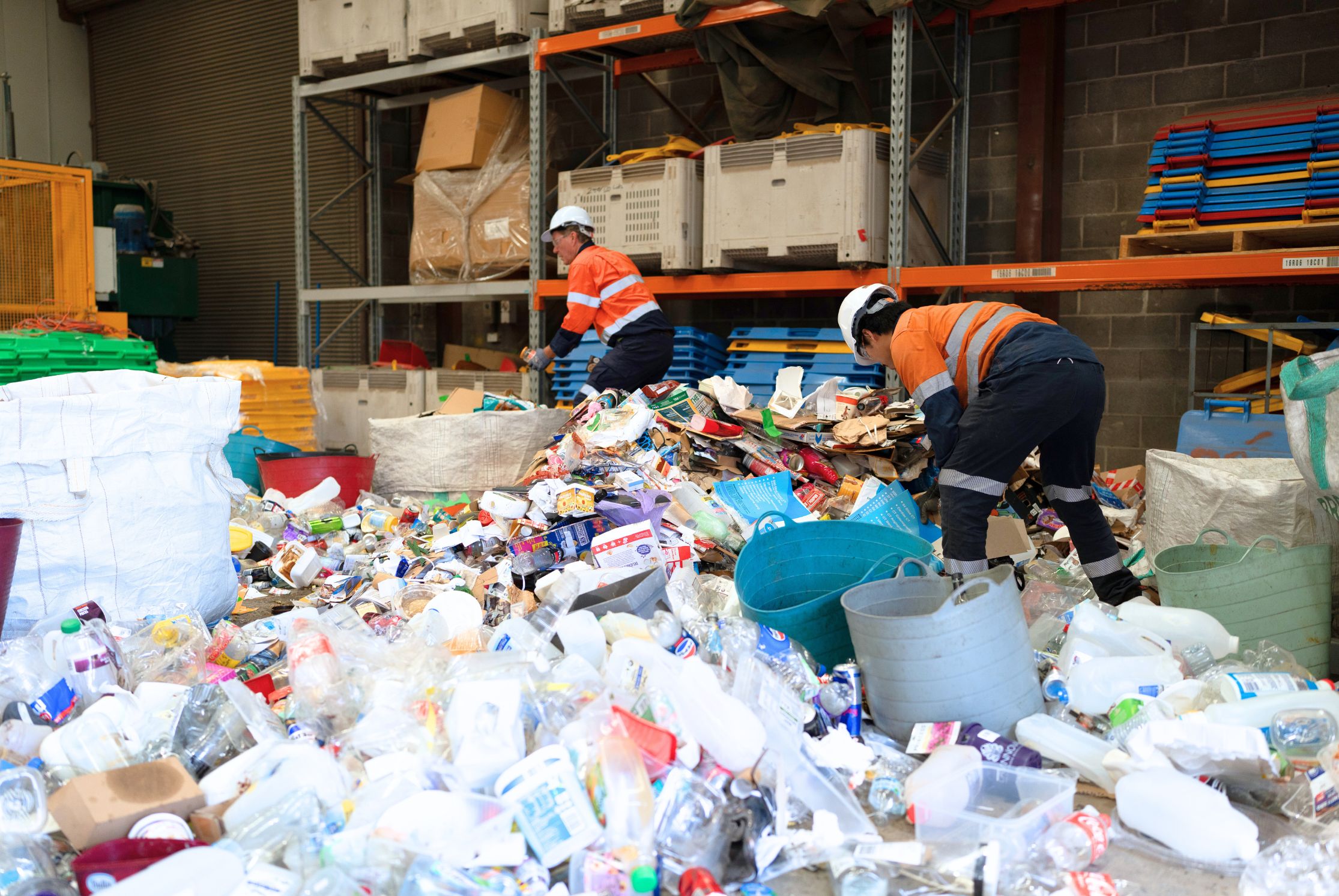
Commingled recycling involves the collection and processing of mixed recyclable materials such as plastics, glass, aluminium, steel and approved packaging generated by commercial, industrial, retail and educational facilities. Effective commingled recycling relies on the right bin systems, reliable collection schedules and proper separation practices to ensure high-quality resource recovery and reduced contamination.
Premier Waste provides professional commingled recycling services for businesses across Melbourne and Brisbane.
Whether your organisation generates small volumes of mixed recyclables or large amounts of packaging waste, we deliver tailored commingled recycling programs that improve resource recovery, reduce landfill disposal costs and support your sustainability goals.
Some of the commingled recycling services we provide include:
- Scheduled commingled recycling collection
- Mixed container recycling programs
- High-volume commingled waste removal
- Multi-site recycling service coordination
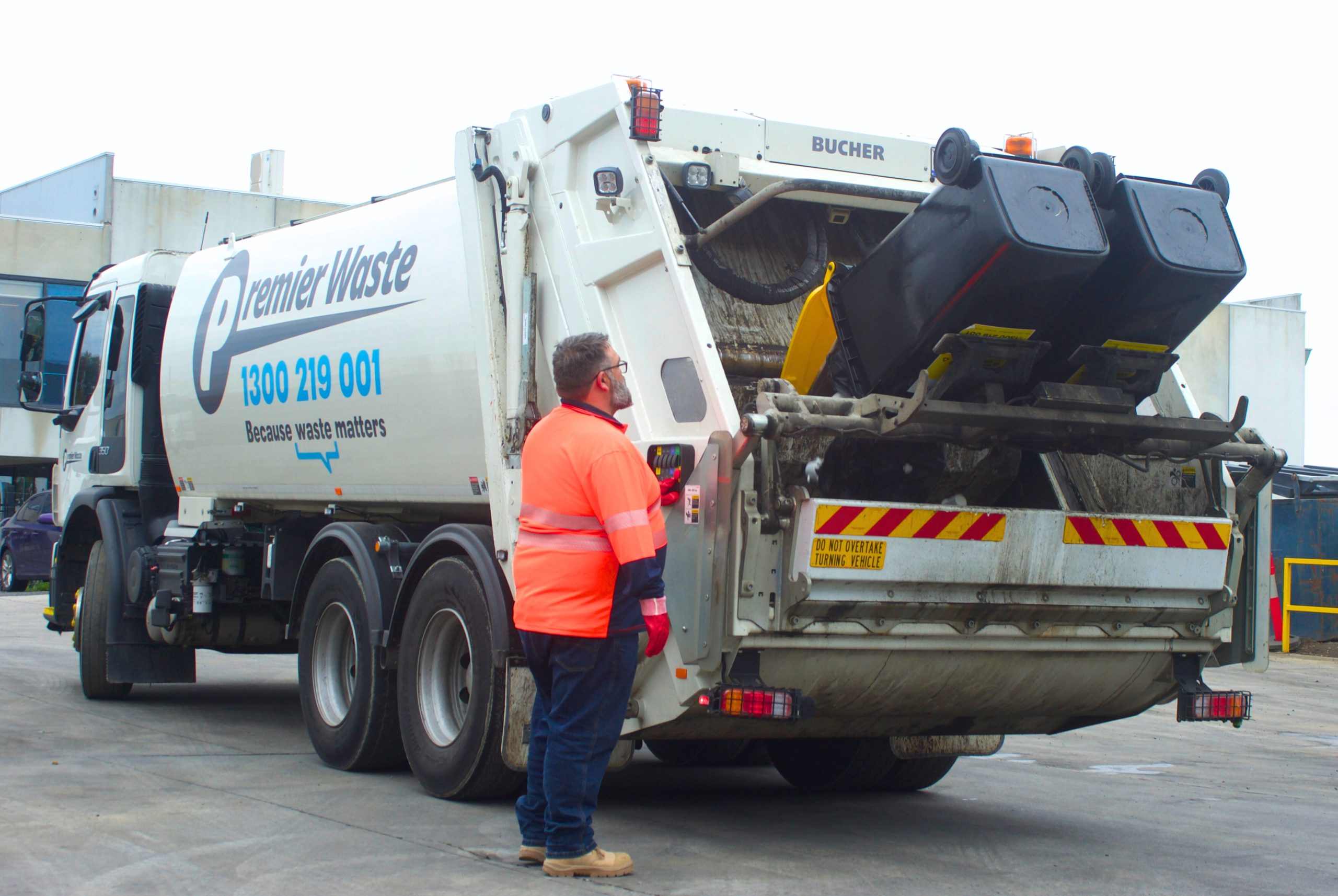
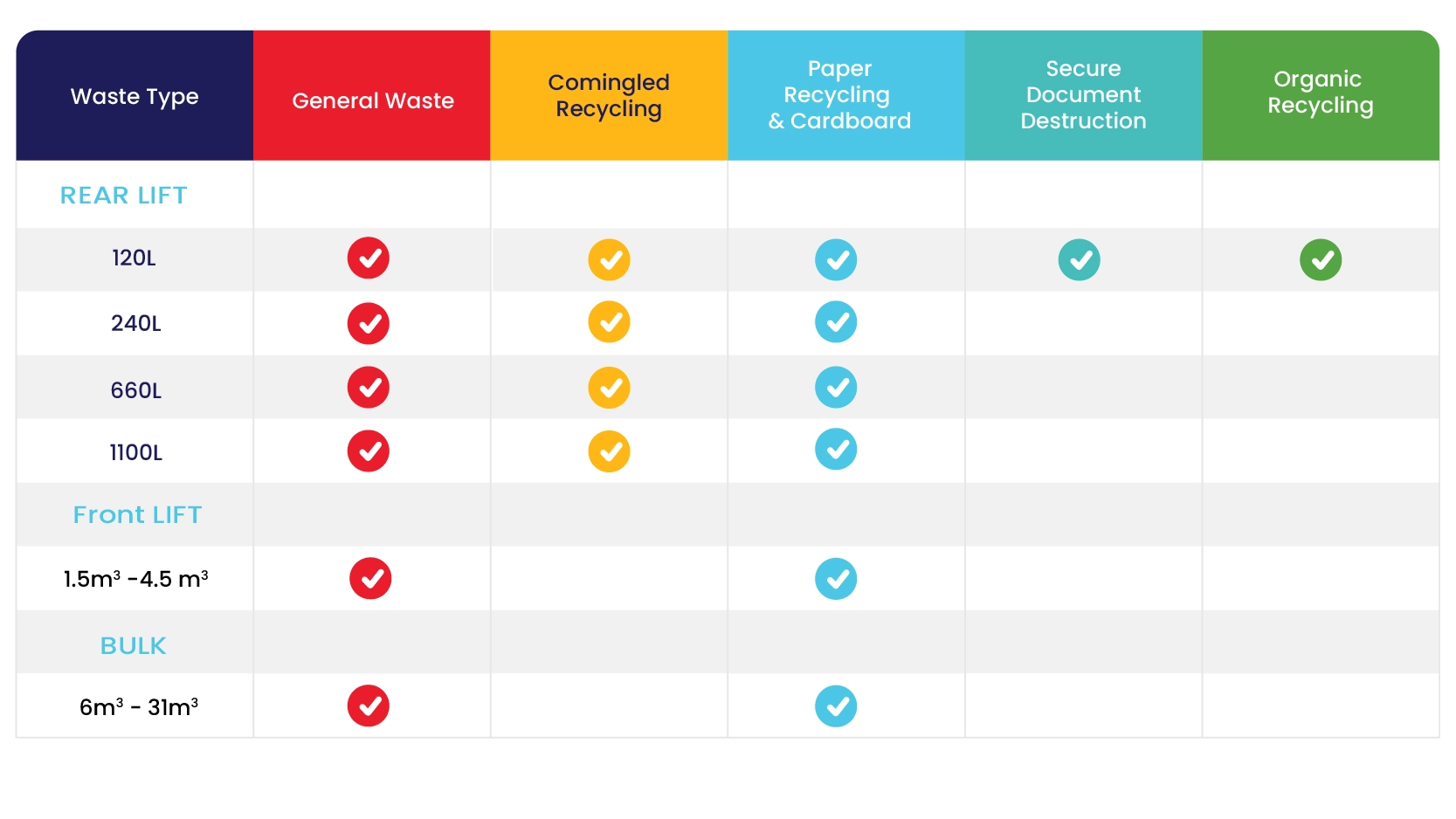
- Supply and replacement of commingled bins
- Contamination control, guidance, and education
- Tailored commercial recycling programs
How Commingled Recycling Benefits Your Business
Commingled recycling is one of the simplest ways for businesses to manage recyclable materials efficiently. By placing approved plastics, cans, bottles and cartons into a single recycling bin, your staff can sort waste quickly, increasing participation and reducing contamination of landfill streams.
However, commingled recycling must be set up correctly to achieve strong recovery outcomes. Items that contain food waste, liquids or incorrect materials can contaminate the entire load, resulting in rejected recyclables and higher waste management costs. Premier Waste supports businesses by providing proper bin placement, clear signage and contamination education to keep recycling streams clean.
Industries that commonly rely on commingled recycling include:
- Retail stores and shopping centres
- Cafés, restaurants and hospitality venues
- Office buildings and multi-level commercial sites
- Schools, universities and childcare facilities
- Warehousing, logistics and distribution centres
- Government and community facilities