Copyright © 2025 Premier Waste Pty Ltd. All rights reserved.
Medical waste collection services for healthcare facilities by Premier Waste

Medical Waste

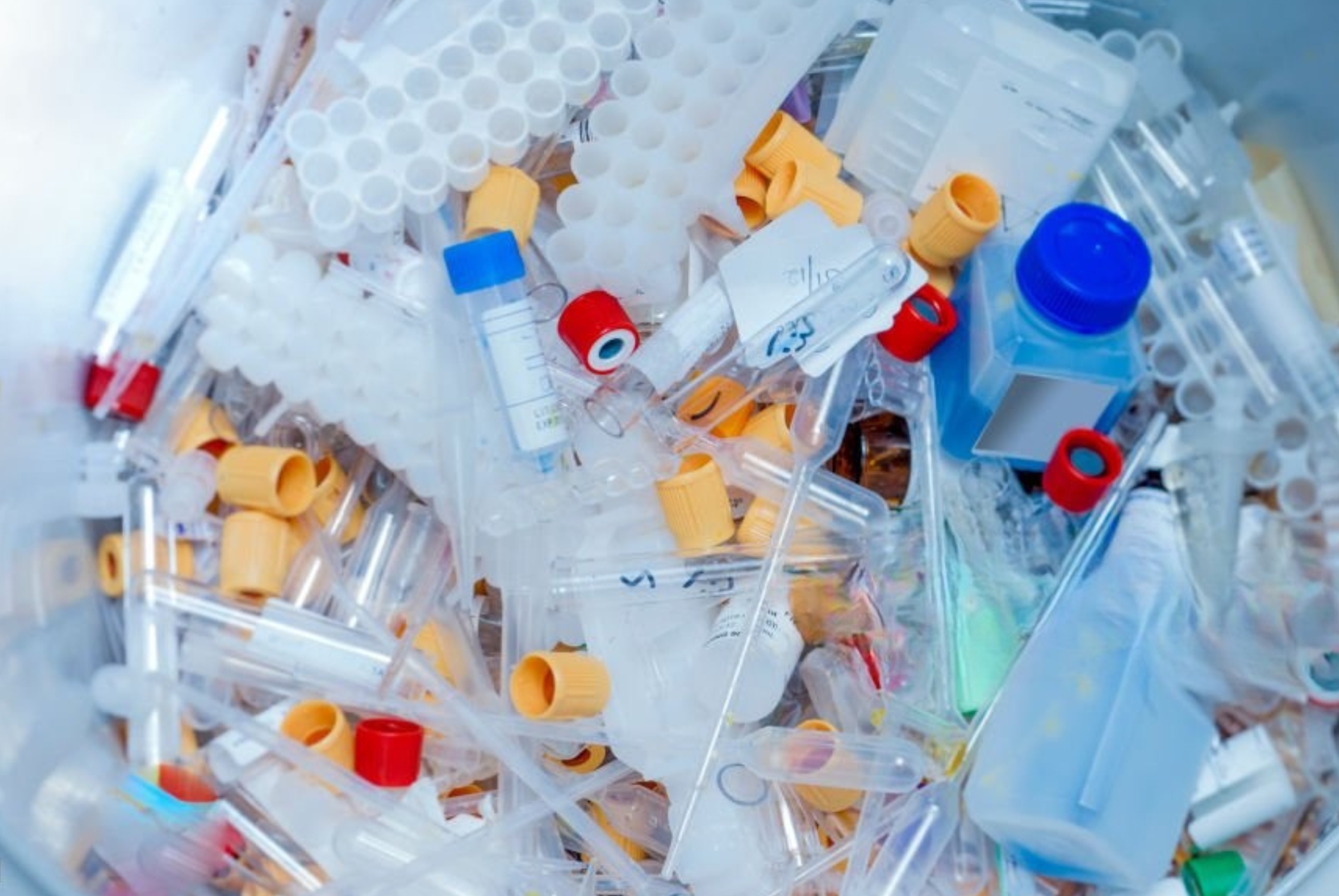
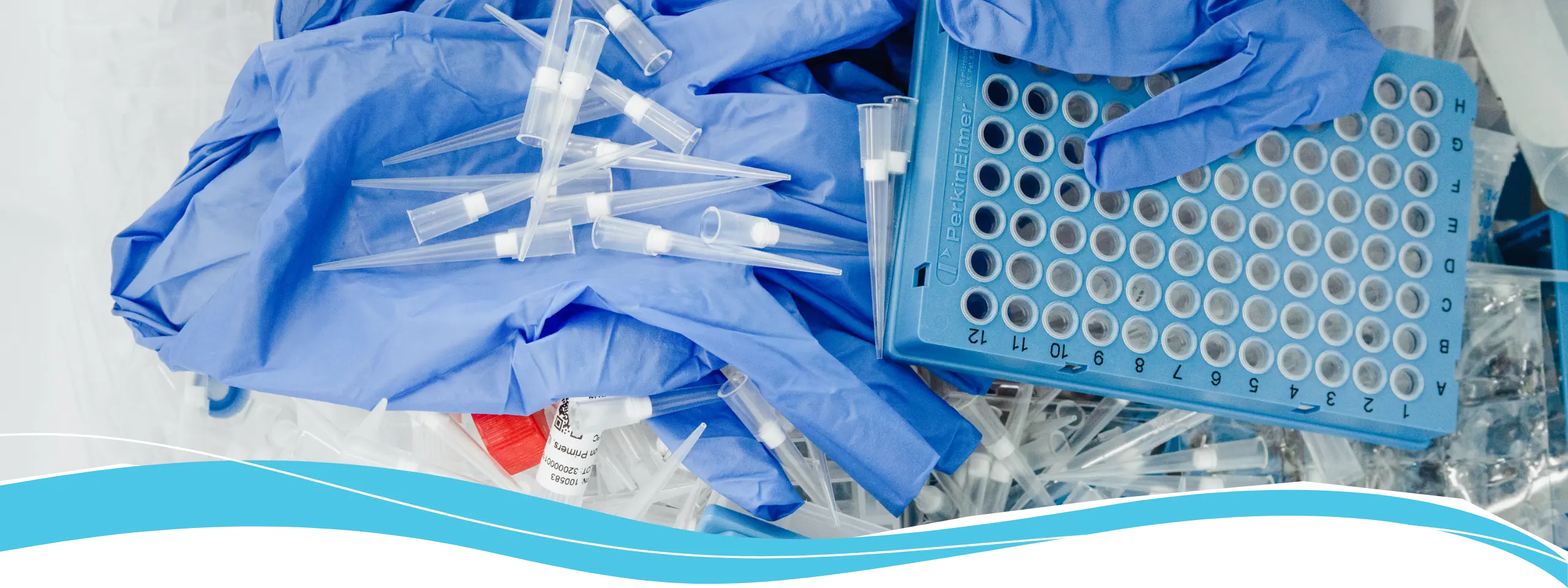
Medical waste includes clinical, sanitary and healthcare-related materials generated by medical centres, dental clinics, aged care facilities, laboratories and other health environments. Effective medical waste management requires compliant storage systems, strict collection schedules and regulated disposal processes to ensure safety, hygiene and environmental responsibility.

Premier Waste provides safe and compliant medical waste collection services for businesses across Melbourne and Brisbane.

Whether your facility produces small quantities of clinical waste or ongoing waste from patient care, we offer reliable medical waste solutions that meet strict regulatory standards and protect staff, patients and the community.

Some of the medical waste services we provide include:

  • Scheduled medical waste collection
  • Clinical and sanitary waste removal
  • Healthcare waste management programs
  • Sharps and cytotoxic waste coordination (on request)
  • Multi-site medical waste consolidation
  • Regulated disposal and compliance reporting
  • Secure bin supply and replacement

Premier Waste healthcare medical waste disposal compliance support

Healthcare Environments That Require Medical Waste Services

Medical waste management is essential for any facility that handles materials contaminated by body fluids, medical procedures, patient treatment or clinical processes. These waste streams require specialised handling to prevent infections, contamination and regulatory breaches.

Facilities that commonly require medical waste management include:

  • general medical clinics
  • dental practices
  • aged care and assisted living facilities
  • pathology labs and diagnostic centres
  • allied health practices (physio, podiatry, etc.)
  • cosmetic and dermatology clinics
  • veterinary practices
  • minor surgical and outpatient centres

Because medical waste poses health and environmental risks, a structured collection program is critical for maintaining safety and compliance.

Managing Medical Waste Safely and Responsibly

Proper medical waste management requires strict adherence to safety protocols, handling procedures and regulatory guidelines. Premier Waste supports healthcare facilities by:

  • providing compliant bins with secure lids
  • reducing contamination through proper labelling and signage
  • offering guidance on what can and cannot be placed in medical waste bins
  • ensuring waste is transported in licensed vehicles
  • delivering waste to approved treatment facilities

Our experienced operators follow detailed hygiene and safety procedures, including PPE requirements, safe bin handling and contamination control, ensuring medical waste is removed without disruption to your staff or patients.

Medical Waste Collection in Melbourne & Brisbane

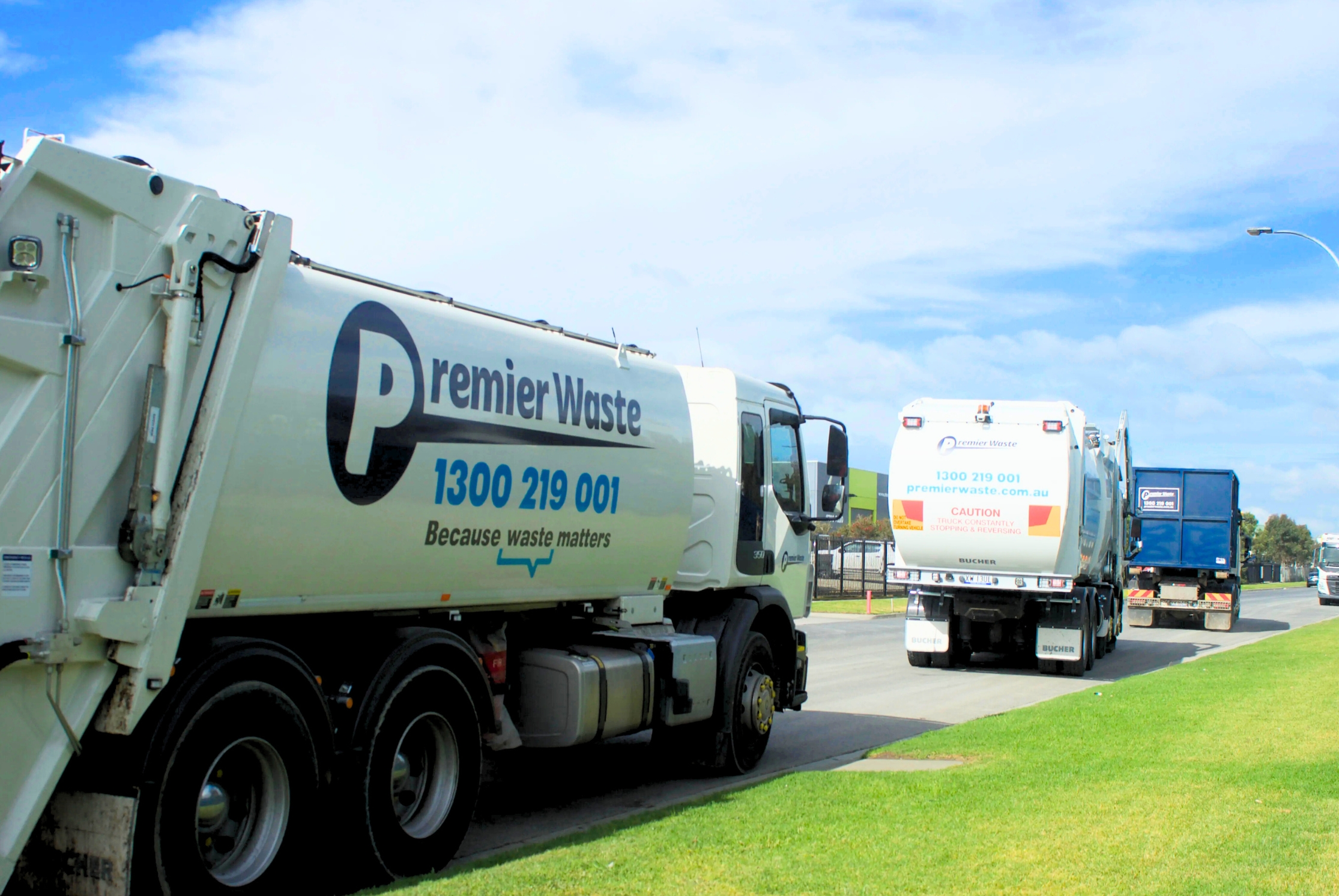
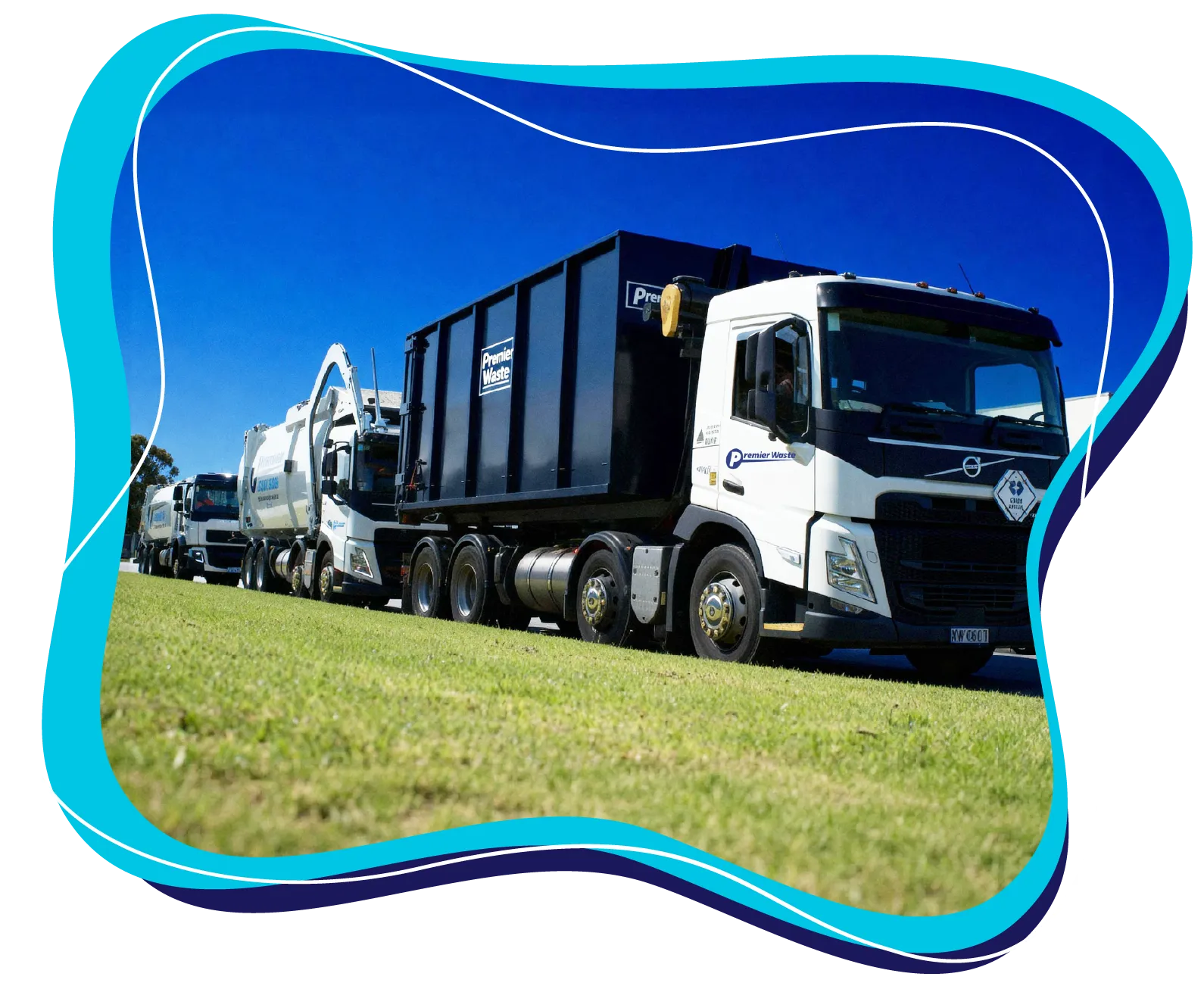
Premier Waste provides reliable medical waste collection services across Melbourne and Brisbane using licensed rear-lift vehicles equipped with tracking technology and service verification tools. Each collection is managed discreetly, safely and in accordance with healthcare waste standards.

We service a broad range of healthcare environments, from small clinics to large medical facilities, ensuring compliant handling, secure transport and regulated disposal of clinical waste. For health organisations with multiple locations, we offer consolidated medical waste programs that provide unified invoicing, improved reporting and consistent safety standards across all sites.

Medical waste collection services supporting compliant and cost effective healthcare waste management by Premier Waste

How Much Does Medical Waste Collection Cost?

Medical waste collection costs vary depending on the type and volume of waste generated, the number of bins required, collection frequency, site access and regulatory disposal requirements. Actual medical waste disposal cost depends on:

  • the volume of medical waste generated
  • bin quantity
  • collection frequency
  • the type of medical waste (general clinical vs. specialised)
  • site access and handling requirements
  • regulatory disposal fees

Premier Waste can assess your facility and provide an accurate, compliant, and cost-effective
medical waste collection plan.

Approved Bin Sizes for Medical Waste

Medical waste streams must be stored in compliant containers and collected using regulated equipment. Based on operational and safety standards, medical waste is collected in:

  • 120L rear-lift bin for clinical and medical waste

This bin size is designed to ensure safe handling, controlled waste volume and compliant movement through medical environments. Multiple bins can be supplied for larger facilities, and flexible collection frequencies can be arranged to match patient volume and clinical activity.

What’s your biggest waste management problem right now?

We’re listening. Get in touch today and we can help you find a solution. One that’s cost-effective, efficient and suits your business today, tomorrow and as your needs change.

Safety and compliance focus for waste services by Premier Waste

Regulated Treatment and Environmental Compliance

All medical waste collected by Premier Waste is transported to licensed treatment facilities that comply with EPA regulations, healthcare industry guidelines and relevant state legislation. These facilities process clinical waste using approved methods such as sterilisation, thermal treatment or incineration, ensuring safe and compliant disposal.

Our operators follow strict medical waste handling procedures, minimising health risks and ensuring your facility meets its legal obligations. By using approved containers, scheduled pickups and regulated processing, your organisation can maintain high clinical hygiene standards and avoid compliance breaches.

If your clinic, practice or healthcare facility requires a reliable medical waste collection program, contact us today.

Frequently Asked Questions

Medical waste is waste generated through healthcare, clinical, dental, veterinary and related activities that requires specific handling because it may present infection, injury or contamination risks. It can include clinical waste, contaminated materials, sharps and other specialised healthcare waste streams that need to be correctly separated and managed. 

A medical or clinical waste bin is intended for approved healthcare waste such as materials contaminated with blood, body fluids or potentially infectious material. Sharps, cytotoxic waste, pharmaceuticals and other specialised healthcare waste may require separate containers and disposal arrangements.

General waste, recyclable materials and healthcare waste that requires a separate specialised container should not be placed in a standard clinical waste bin. Correct segregation helps reduce handling risks and ensures different medical waste streams are managed through the appropriate treatment pathway. 

No. Needles, syringes with attached needles, lancets, scalpel blades and other contaminated sharps should be placed in an approved sharps container rather than loose in a standard medical waste bin. Sharps containers are designed to reduce puncture and handling risks during storage and collection.

No. Clinical, cytotoxic, pharmaceutical and sharps waste can require different containers, identification and treatment processes. These waste streams should be separated at the point of disposal rather than combined into a single medical waste bin.

A medical waste container should only be filled to the point where it can be safely and securely closed without compressing or handling the contents. Containers should not be overfilled, and any marked fill limits or container instructions should be followed.

Medical waste should be stored in a secure, designated area that limits unauthorised access and reduces the risk of spills, accidental contact or environmental release. Containers should remain properly closed and identified while awaiting collection.

Keep people away from the affected area and follow the facility's medical-waste spill and infection-control procedures. Depending on the waste involved, appropriate PPE, containment and decontamination may be required, and a damaged container may need replacement or specialist handling.

After collection, medical waste is transported to an appropriate treatment facility where the treatment method depends on the type of waste. Clinical and specialised healthcare waste can require processes such as sterilisation, thermal treatment or incineration before final disposal.

Healthcare facilities can improve waste segregation by placing clearly identified containers close to where each waste stream is generated, using clear signage and training staff on the correct disposal of clinical waste, sharps, recycling and general waste. Premier Waste can support healthcare facilities with appropriate bin systems, labelling and waste-management guidance.

Premier Waste can coordinate sharps and cytotoxic waste services on request as part of a broader medical waste management program. These waste streams require separate handling from standard clinical waste, so the appropriate collection and container arrangement should be established for the facility.

TOP