Copyright © 2025 Premier Waste Pty Ltd. All rights reserved.
Commercial organics and green waste collection by Premier Waste

Organics & Green Waste

Organics and green waste include both food organics and garden organics generated by commercial kitchens, hospitality venues, educational facilities, landscaped sites and industrial businesses. Effective management of organic waste requires appropriate bin systems, contamination control and reliable collection schedules to maintain hygiene, reduce landfill and support sustainable disposal practices.

Premier Waste provides Organics & Green Waste services across Melbourne and Brisbane, delivering reliable collection programs for businesses producing mixed organic streams.

Whether you manage food preparation areas, landscaped grounds or multi-site operations, we offer compliant and efficient solutions tailored to your organic waste requirements.

Our services include:

  • Scheduled organics and green waste collection
  • FOGO collection and green waste management
  • Bulk organics removal for high-volume sites
  • Multi-site consolidation and coordinated servicing
  • Education on contamination reduction
  • Bin supply and replacement
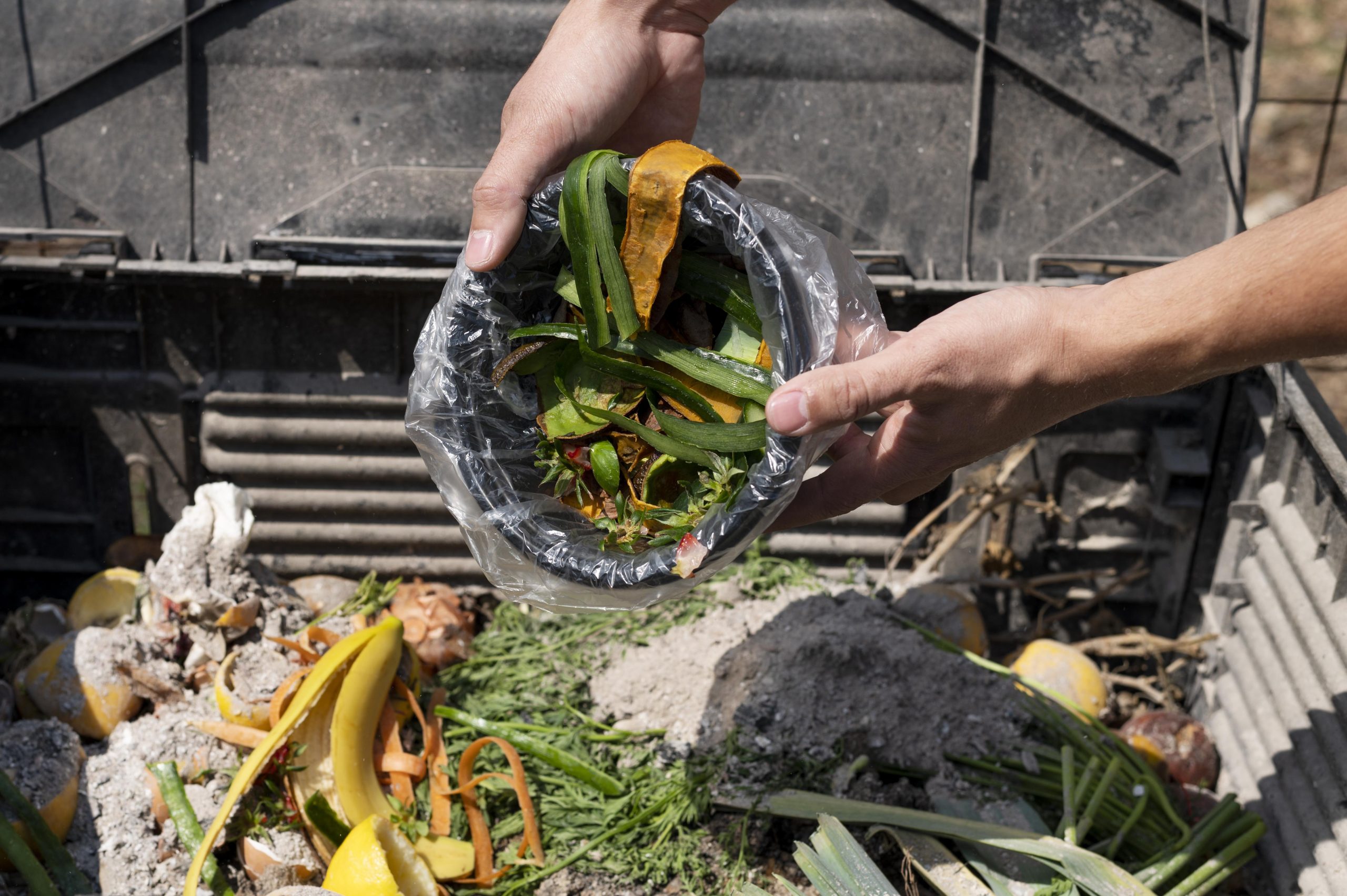
Commercial organics and green waste management setup by Premier Waste

What is FOGO?

FOGO stands for Food Organics and Garden Organics. It is a dedicated organics waste stream that allows accepted food organics and garden organics to be collected together rather than being disposed of through general waste.

For businesses that generate both food and garden organics, FOGO provides a practical way to manage these materials within one dedicated collection stream. The appropriate setup will depend on the types and volumes of organic waste generated and the servicing requirements of the site.

Where Organics & Green Waste Services Are Most Needed

Businesses and facilities that commonly benefit from Organics & Green Waste collection include:

  • hospitality venues and commercial kitchens generating daily food organics
  • schools, childcare centres and universities with canteens and landscaped grounds
  • aged care facilities with onsite dining and garden areas
  • retail centres, business parks and commercial complexes requiring grounds maintenance
  • industrial sites producing organics from staff amenities or site upkeep
  • nurseries, garden centres and landscaping contractors managing green organics

These environments rely on consistent, compliant collection to maintain hygiene and ensure organic waste does not contaminate other streams.

Why Managing Organics & Green Waste Matters & How It Works

Organic waste can create operational challenges if not managed correctly. Food organics decompose quickly, leading to odours, pests and contamination of other waste streams. Garden organics left unmanaged can also contribute to site hazards, blocked drains and environmental issues. A structured Organics & Green Waste program helps businesses maintain hygiene, reduce general waste volumes, manage costs and support sustainability and ESG objectives. Proper organics separation also prevents contamination in recycling streams and helps businesses create cleaner, safer environments for staff and customers.

A successful Organics & Green Waste system begins with understanding how your site generates organic material. Our team identifies:

  • the mix of food organics and garden organics produced
  • peak generation periods
  • optimal bin placement for operational efficiency
  • contamination risks and mitigation
  • required collection frequency
  • access requirements for collection vehicles

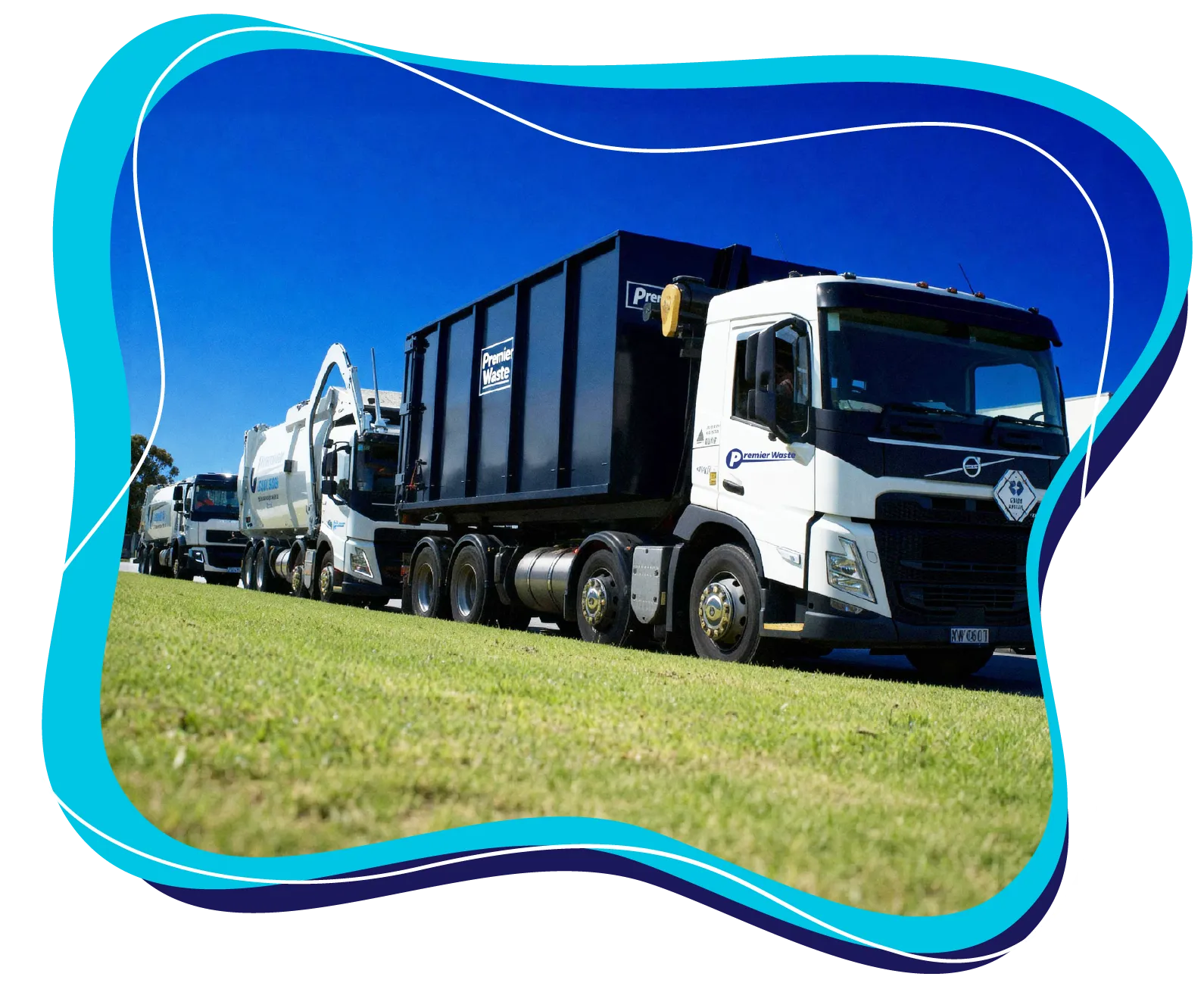
Collections are completed using rear-lift or hooklift vehicles depending on bin size. Organic material is transported to licensed facilities where it is processed into compost, mulch or soil-enhancing products in accordance with EPA and industry standards.

Organics & Green Waste Services Across Melbourne & Brisbane

Premier Waste provides reliable Organics & Green Waste services throughout Melbourne and Brisbane, using GPS-tracked vehicles and automated service verification to ensure dependable collections. Whether your site produces steady organic waste volumes or experiences seasonal fluctuations, we design programs that accommodate operational needs while maintaining compliance and service transparency.

For multi-site organisations, we can consolidate Organics & Green Waste services into a coordinated program, offering unified billing, consistent service standards and clear reporting across all locations.

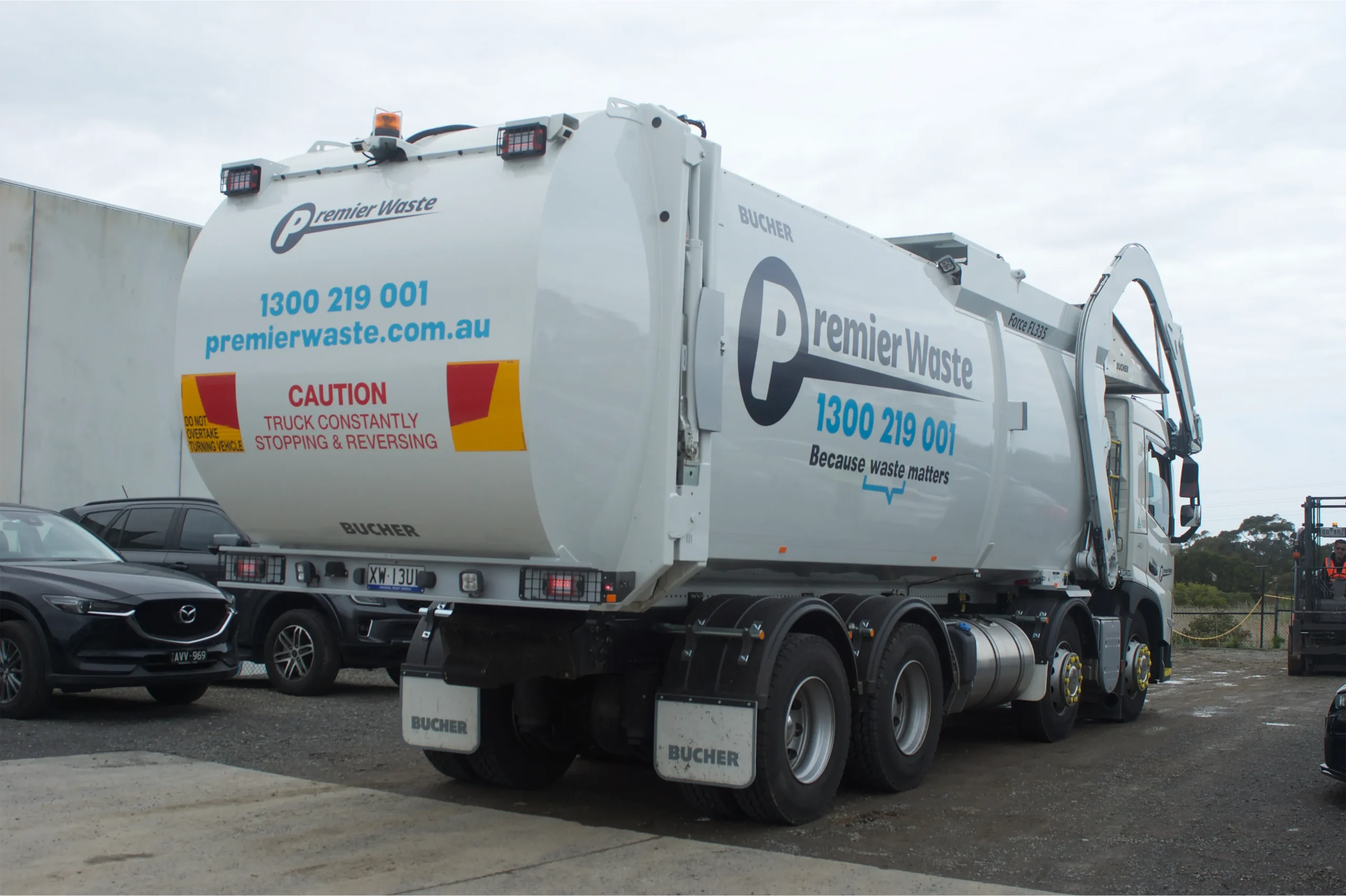
Waste management rear lift truck operated by Premier Waste

How Much Does Organics & Green Waste Collection Cost?

Organics and green waste collection costs vary depending on the type of organic material generated, the bin size required, service frequency, site access and processing charges. Food organics generally require more frequent collection due to odour and hygiene considerations, while garden organics may be collected in larger volumes depending on site layout and landscaping activity.

A tailored assessment is always required to confirm the most cost-effective and compliant Organics & Green Waste solution for your site.

Premier Waste can review your organic waste streams and recommend a service plan that aligns with your operational needs, budget and sustainability goals.

Organics & Green Waste Bin Options

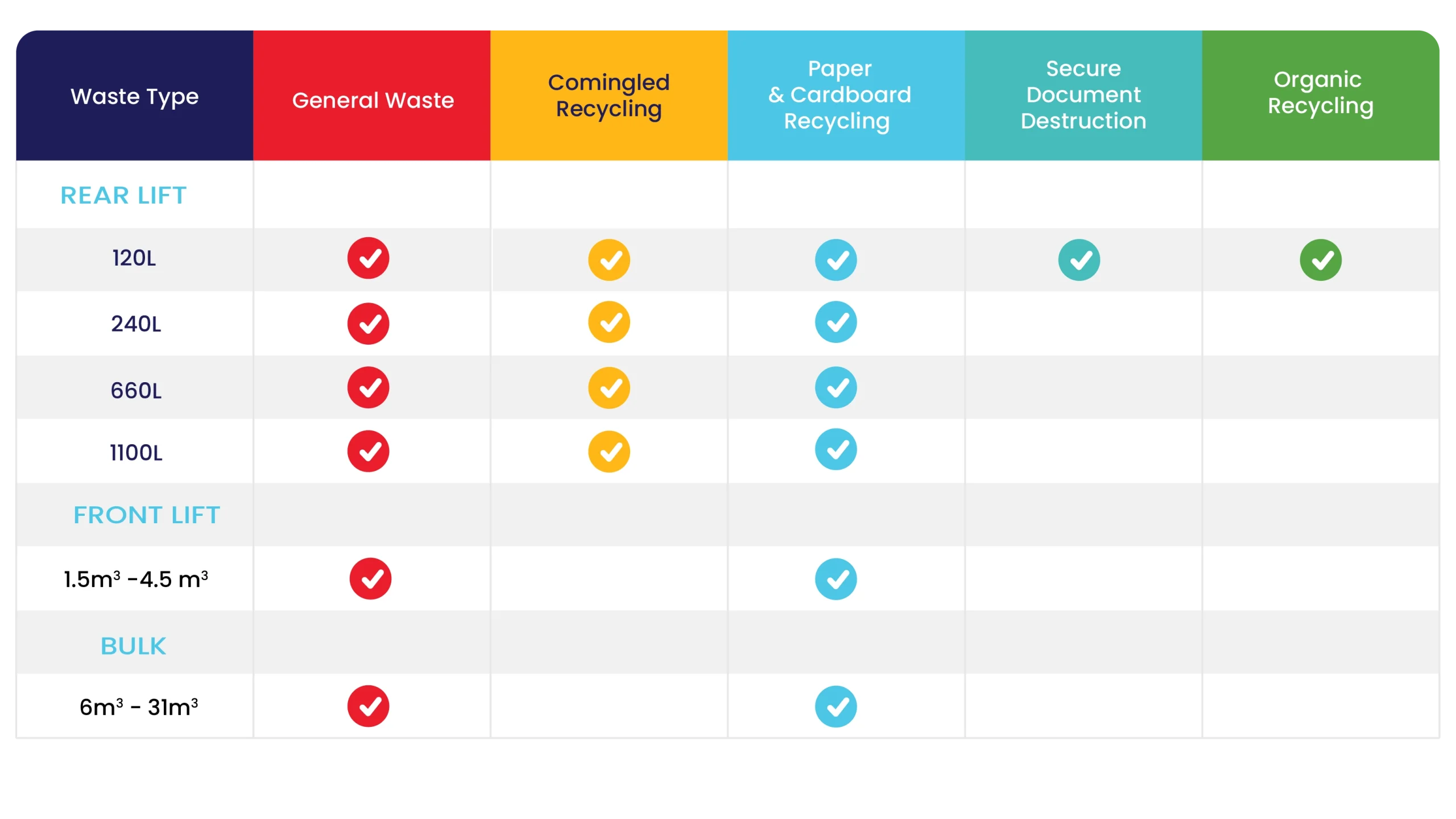
Premier Waste provides a range of bin sizes suitable for both food and garden organics, ensuring efficient and compliant management across various operational settings.

Available bin sizes include:

  • 120L rear-lift bins for low to medium FOGO or green waste volumes
  • 660L rear-lift bins for higher daily organics output
  • bulk hooklift bins (6m³–31m³) for substantial garden organics or large-scale landscaping waste

Our team can assess your organic waste profile, site layout and operational requirements to determine the most suitable bin configuration and collection frequency.

Premier Waste general waste collection bin for mixed business waste

General Waste

Premier Waste collection trucks and bin types for commercial services
Premier Waste commingled recycling bin for mixed recyclable materials

Commingled Recycling

Premier Waste collection trucks and bin types for commercial services
Premier Waste paper recycling bin for paper and cardboard materials

Paper Recycling

Premier Waste collection trucks and bin types for commercial services
Premier Waste secure document destruction service for confidential paper waste

Secure Document Destruction

Premier Waste collection trucks and bin types for commercial services
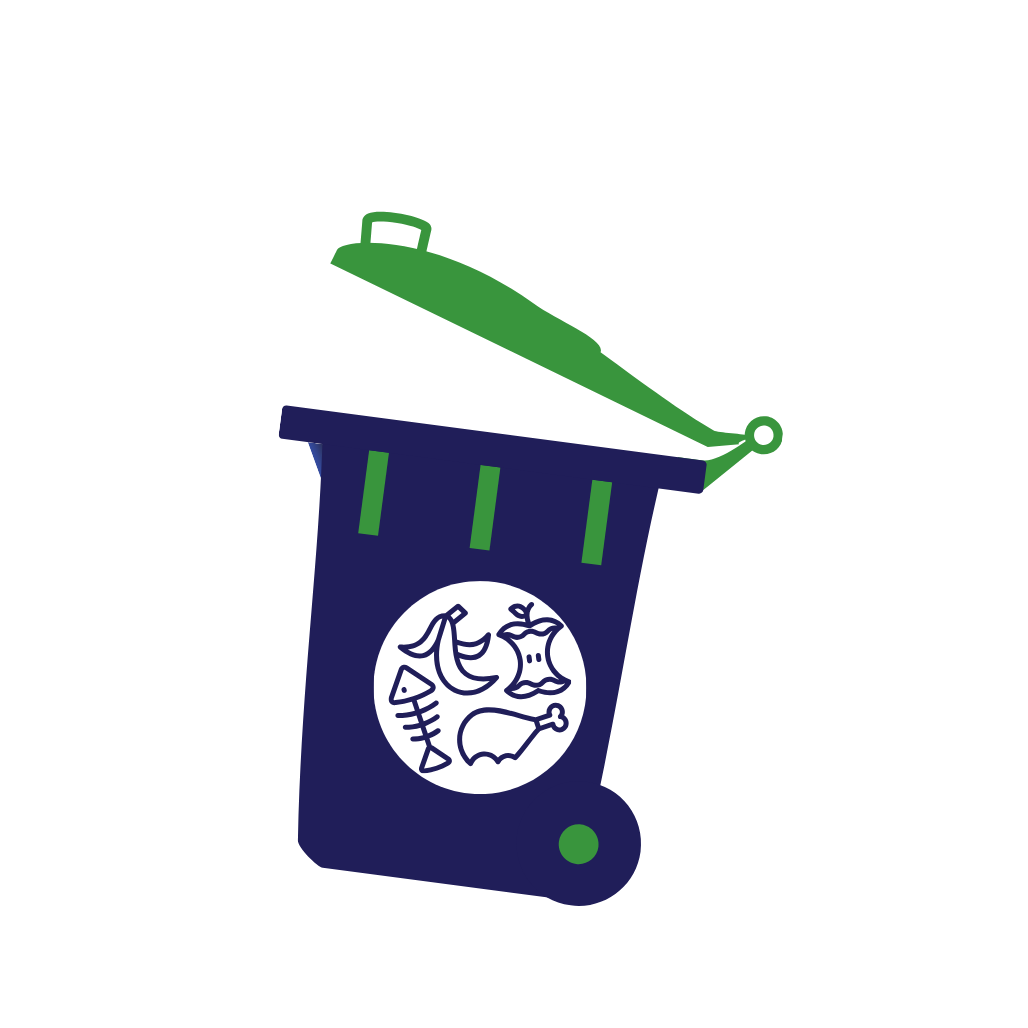
Premier Waste organic recycling bin for food scraps and green waste

Organic Recycling

Premier Waste collection trucks and bin types for commercial services

What’s your biggest waste management problem right now?

We’re listening. Get in touch today and we can help you find a solution. One that’s cost-effective, efficient and suits your business today, tomorrow and as your needs change.

Environmental Compliance and Responsible Processing

All organic waste collected by Premier Waste is processed at licensed facilities following EPA regulations and industry best practices. Food organics and green waste are converted into beneficial products such as compost, mulch and soil enhancers, supporting circular resource recovery and reducing landfill contribution.

If your organisation requires a tailored Organics & Green Waste program or scheduled services, contact us today.

Frequently Asked Questions

Food organics are biodegradable food materials generated during food preparation, service and consumption. Green waste generally includes garden and landscaping materials such as grass, leaves and plant matter. FOGO stands for Food Organics and Garden Organics and combines suitable food and garden materials into one organics collection stream.

Food organics can include suitable food scraps such as fruit and vegetable waste, coffee grounds, loose tea leaves, meat, seafood and other approved food materials. The exact accepted materials can depend on the collection and processing arrangement used for the site.

Plastics, plastic bags, food packaging and other non-organic materials should not be placed in an organics or FOGO bin. Keeping unsuitable materials out of the stream helps reduce contamination and improves the quality of the recovered organic material. 

These materials can be accepted in some commercial FOGO services, but acceptance depends on the processing arrangement. Meat, bones, dairy and cooked food should only be added where they are included in the approved organics stream for the site. 

Ordinary plastic bags should not be placed in an organics bin. Biodegradable or compostable liners should only be used where they are approved for the specific collection and processing system, as not all products labelled biodegradable or compostable are suitable for commercial organics processing. 

Not always. Some businesses may use a combined FOGO collection, while others may separate food organics from garden or landscaping waste. The most suitable setup depends on the type and volume of organic material generated and the processing requirements for the service.

Yes. An organics service can be suitable for businesses that primarily generate food waste, including commercial kitchens, hospitality venues, aged care facilities and other sites with food preparation or dining areas. The bin size and collection frequency should be matched to the volume of food organics produced.

Incorrect items can contaminate the organics stream and reduce the quality of the material available for processing. Plastics, packaging and other unsuitable waste may need to be removed and can affect how successfully the collected organics are converted into useful recovered products.

After collection, organics and green waste are transported for appropriate processing rather than being treated as general waste. Depending on the material and processing facility, food organics and green waste can be processed through systems designed to recover the organic material for beneficial reuse. 

Recovered food organics and green waste can be processed into products such as compost, mulch and soil-enhancing materials. The final product depends on the type and quality of the organic material and the processing method used.

Businesses can reduce contamination by placing organics bins where food or green waste is generated, using clear signage and making sure staff understand which materials belong in the organics stream. Premier Waste can also help businesses review bin placement, contamination risks and collection requirements to support cleaner organics separation. 

TOP