Copyright © 2025 Premier Waste Pty Ltd. All rights reserved.
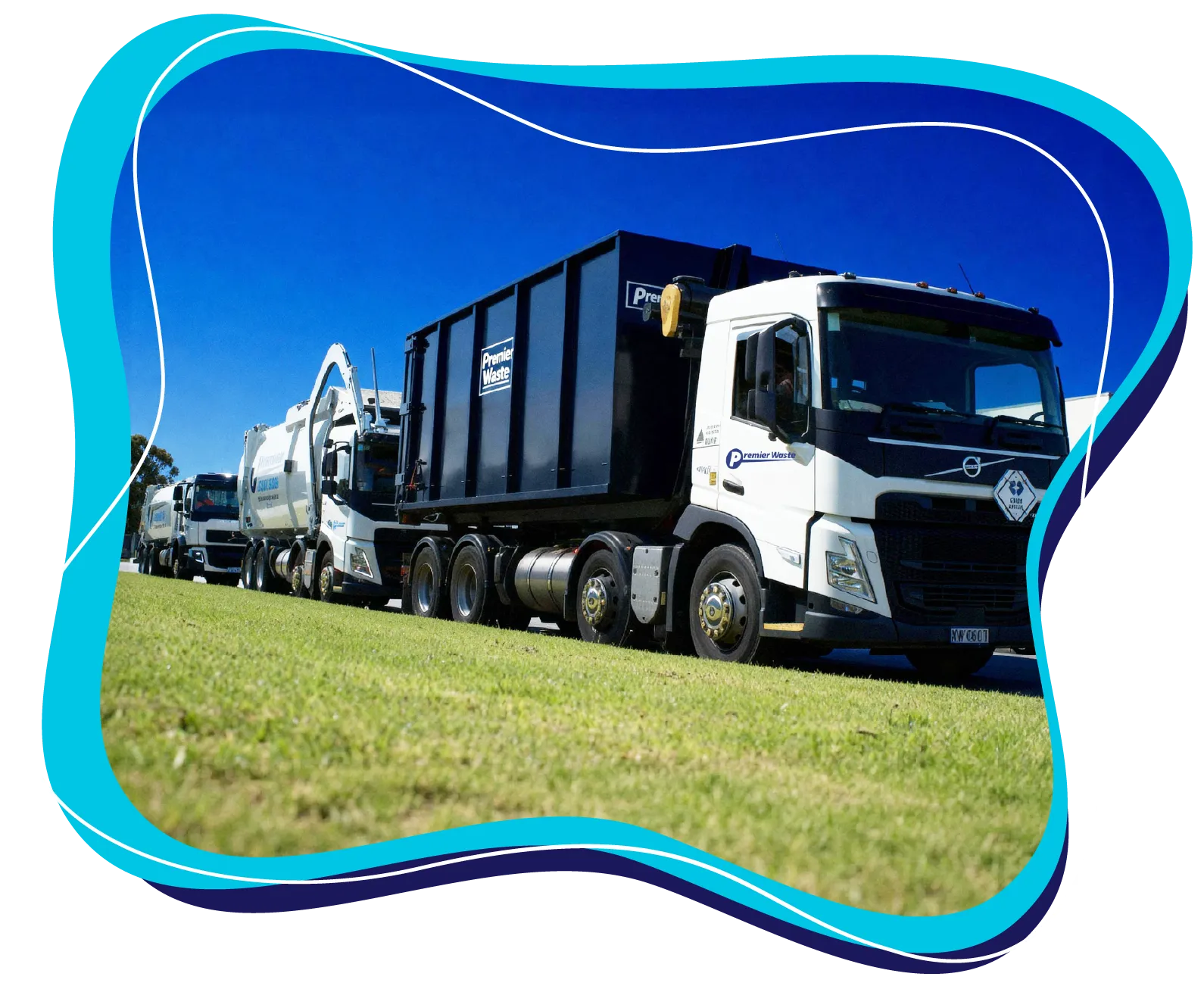
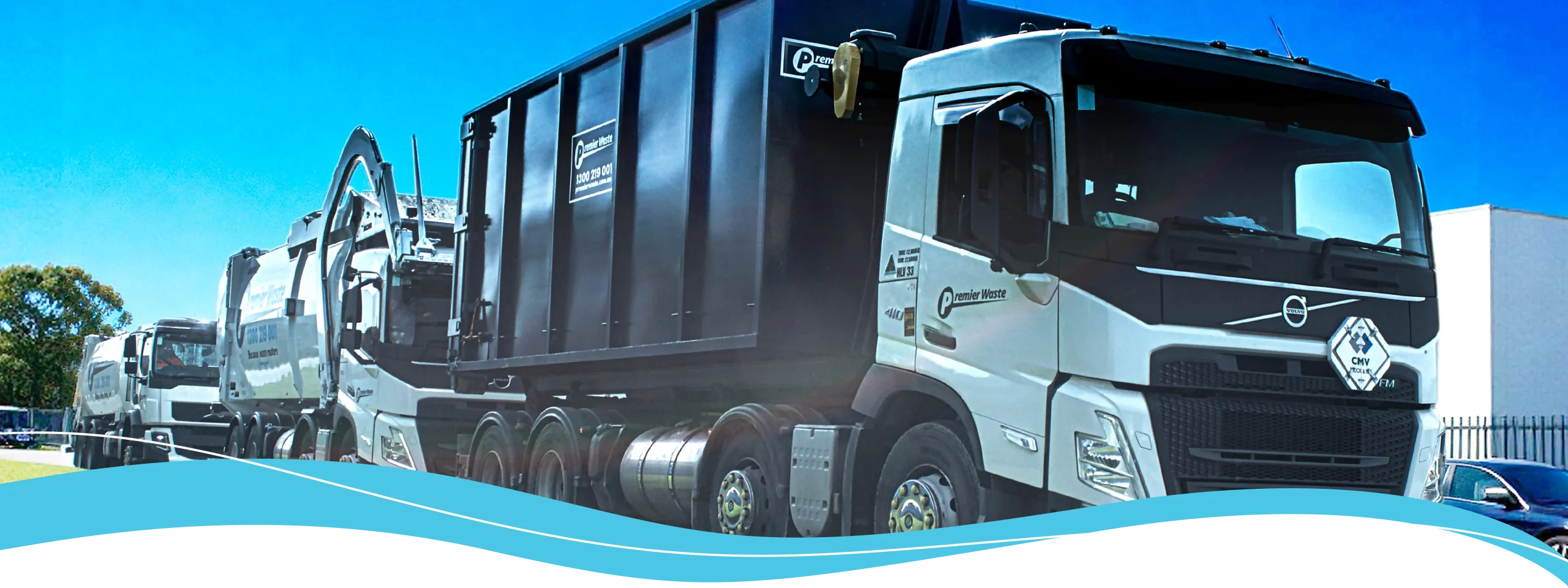
Premier Waste vacuum truck for liquid waste collection

Other Waste Services

Other waste services cover specialised liquid, semi-liquid and regulated waste streams that require trained operators, dedicated equipment and compliant disposal processes. These services play an essential role in maintaining hygiene, preventing environmental contamination and supporting the safe operation of commercial, industrial and food-handling facilities. Premier Waste provides tailored solutions for grease traps, industrial washwaters, stormwater removal and oily rag waste across Melbourne and Brisbane, delivering reliable service and full regulatory compliance. 

Our capabilities include: 

  • Grease trap cleaning and maintenance 
  • Industrial washwater collection 
  • Stormwater and pit waste removal 
  • Oily rag and absorbent waste disposal 
  • Scheduled and on-demand services 
  • Licensed operators and compliant disposal sites 
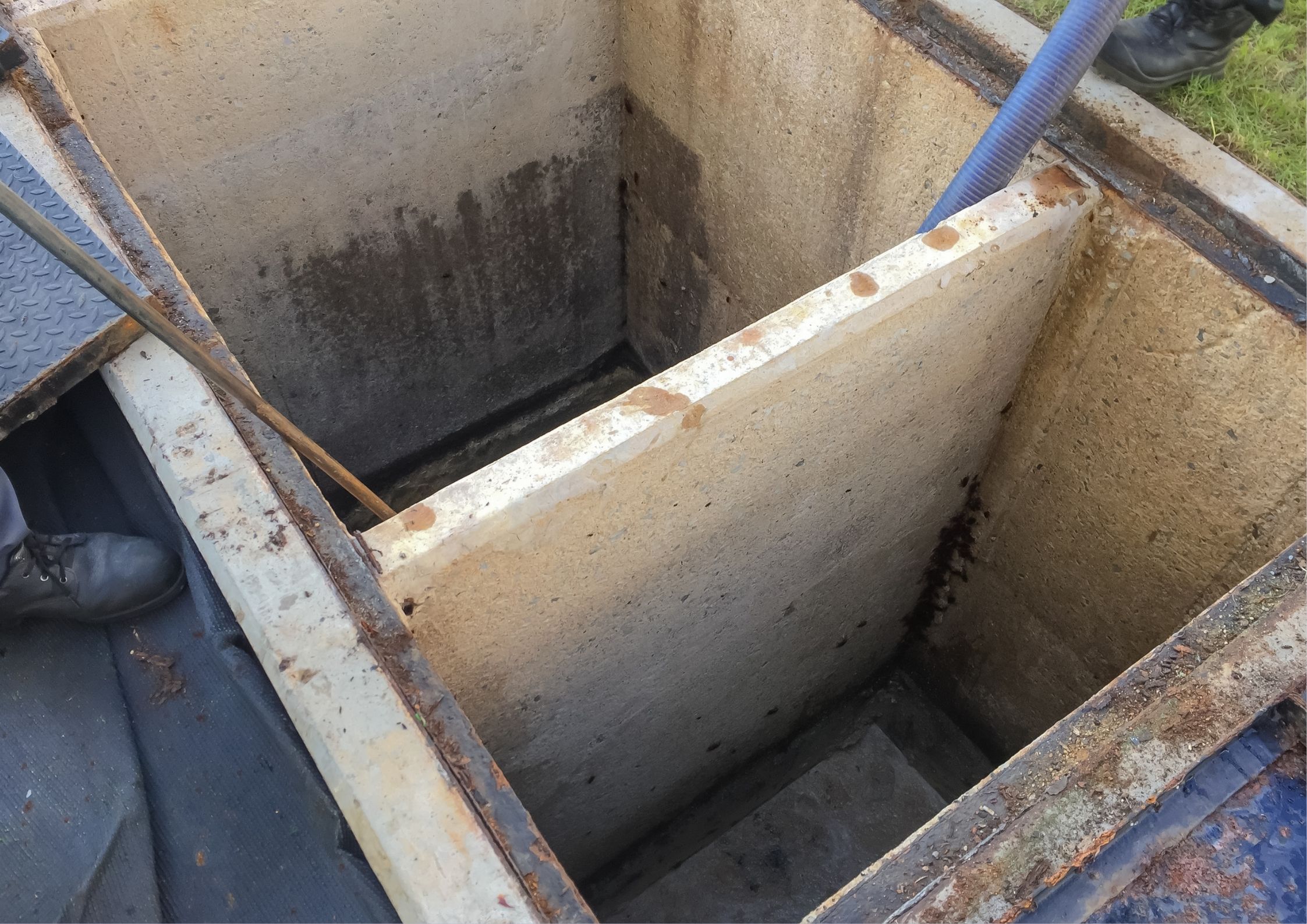
Commercial kitchen grease trap serviced by Premier Waste

Grease Trap Cleaning

Grease trap cleaning is essential for preventing blockages, odours and overflows in food-handling establishments. Grease traps capture fats, oils and grease (FOG) before they enter the sewer system, and must be emptied and cleaned at regular intervals to comply with water authority requirements. 

Common sites requiring grease trap services include: 

  • Restaurants, cafés and takeaways 
  • Hotels and function venues 
  • Food manufacturers and processors 
  • Aged care and hospital kitchens 
  • Bakeries and commercial catering facilities 

Failure to clean grease traps on time can lead to pipe blockages, sewer overflows, odours and fines from local authorities. Our trained operators remove all contents, clean internal surfaces and transport waste to licensed disposal facilities. 

Industrial Washwater Collection

Industrial washwaters are generated from cleaning processes, equipment washing, workshop floors, wash bays and industrial manufacturing. These waste streams often contain contaminants such as oils, sediments, chemicals and detergents, requiring licensed handling and disposal. 

Industries that frequently generate washwaters include: 

  • Automotive workshops and detailing centres 
  • Manufacturing and fabrication sites 
  • Transport depots and logistics yards 
  • Food processing and production facilities
  • Heavy machinery and equipment yards 

Safe management prevents pollutants from entering stormwater systems or the environment. Premier Waste collects industrial washwaters using vacuum loading vehicles and disposes of them at approved treatment facilities.

Stormwater & Pit Waste Removal

Stormwater pits, drainage systems and collection points can accumulate sediment, sludge, oils, debris and other contaminants over time. Regular removal helps maintain drainage performance, reduce the risk of blockages and prevent contaminated material from entering surrounding waterways or the environment.

Sites that commonly require stormwater and pit waste removal include:

  • Industrial and manufacturing facilities
  • Warehouses and distribution centres
  • Transport depots and logistics yards
  • Commercial car parks and loading areas
  • Workshops, wash bays and equipment yards

Premier Waste provides stormwater and pit waste removal using vacuum loading equipment, with collected material transported to appropriate licensed treatment or disposal facilities. Services can be scheduled as part of routine site maintenance or arranged when pits require additional cleaning due to sediment build-up, spills or operational conditions.

Oily Rag & Absorbent Waste Disposal

Oily rags, absorbent pads, filters and workshop wipes are classified as regulated waste due to the presence of hydrocarbons and solvents. Improper disposal can create fire hazards, contamination risks and compliance issues. 

These waste streams are commonly generated in: 

  • Automotive repair and spray-painting workshops 
  • Manufacturing and mechanical facilities 
  • Fuel and lubrication depots 
  • Engineering and fabrication sites 
  • Mining and heavy equipment operations 

Premier Waste provides safe collection of oily rags and absorbents in compliant containers and ensures all waste is transported to licensed treatment facilities. 

What’s your biggest waste management problem right now?

We’re listening. Get in touch today and we can help you find a solution. One that’s cost-effective, efficient and suits your business today, tomorrow and as your needs change.

Safety and compliance focus for waste services by Premier Waste

Specialised Waste Management Solutions Across Melbourne & Brisbane

Our specialised waste services are available across Melbourne and Brisbane, supported by experienced operators, vacuum loading units and compliant disposal channels. Whether you require routine servicing or on-demand clean-outs, Premier Waste can tailor a program to your operational needs. Multi-site organisations can consolidate these services under a single agreement with unified reporting and invoicing. 

Frequently Asked Questions

Premier Waste provides specialised waste services for grease traps, industrial washwater, stormwater and pit waste, and oily rags and absorbents. Services can be arranged for commercial, industrial, food-handling and other sites that generate waste requiring specialist collection and handling.

The required cleaning frequency depends on factors such as grease trap capacity, the amount of fats, oils and grease generated, wastewater volumes and the requirements applying to the site. Commercial kitchens should follow the servicing frequency established through their relevant water authority, trade waste agreement or site requirements.

During grease trap servicing, the accumulated contents are removed and the internal surfaces of the trap are cleaned. The collected grease trap waste is then transported for appropriate treatment or disposal, helping reduce the risk of odours, blockages and overflows.

The collection vehicle and vacuum-loading equipment need safe access to the grease trap, pit or collection point. Access covers, driveways and service areas should be kept clear of vehicles and equipment, and restricted access or unusual site conditions should be identified when arranging the service.

Industrial washwater containing oils, sediment, chemicals, detergents or other contaminants should not be discharged into stormwater systems. Contaminated washwater needs to be appropriately collected and managed to prevent pollutants from entering drains, waterways or the surrounding environment.

Do not assume unknown or contaminated liquid can be managed as ordinary wastewater. Information about where the waste came from, how it was generated and any chemicals, oils or other substances that may be present should be identified before collection so the appropriate handling and disposal pathway can be determined.

Oil- or chemical-contaminated rags and absorbent materials should not automatically be placed in general waste. Their correct disposal pathway depends on the substances they contain, so contaminated rags, pads, filters and wipes should be kept separate and managed through an appropriate waste stream.

Some liquid and regulated waste streams are subject to waste-tracking or documentation requirements depending on the waste classification and jurisdiction. Businesses should correctly identify the waste they generate and maintain any collection, transport or disposal records required for that waste stream.

The cost can depend on the type and volume of waste, collection frequency, site access and the treatment or disposal pathway required. Factors such as restricted access, longer vacuum hose runs, unusual waste characteristics and one-off servicing can also affect the work involved.

After collection, the waste is transported to an appropriate treatment or disposal facility based on the waste type and classification. Different liquid and regulated waste streams can require different processing or disposal pathways, so they are managed according to their characteristics rather than treated as a single waste stream.

TOP